
What is LCHF nutrition: how to eat delicious food and lose weight
The LCHF low-carb lifestyle stands for Low Carbs High Fat. The main advantage of LCHF is its flexible approach, helping you stay slim and lose weight without hunger or the need for frequent, small meals. Doctors believe that you can follow the LCHF lifestyle for your entire life.
Contents
- Using LCHF in the treatment of diseases
- How LCHF differs from the keto diet
- Features of carbohydrate energy metabolism
- List of foods with simple and complex carbohydrates
- How the LCHF low-carb diet works for weight loss
- What you can eat on LCHF: which foods are high in fat and low in carbs
- LCHF diet: contraindications and restrictions
- Is it possible to eat in the LCHF format permanently
- Will the brain "starve" on LCHF?
LCHF-style nutrition can be used as an element of an approach to weight control and metabolic health. The LCHF eating style has contraindications, so you should consult a doctor when switching to it.
According to nutritionist and rehabilitation specialist Andrey Fedorovich Tarasevich, LCHF is not a diet for 6 days or 6 months; it is specifically a nutritional strategy and a life strategy. If LCHF nutrition is balanced in terms of proteins, fats, and carbohydrates, plus there is a sufficient amount of fiber in the diet and the opportunity to consume high-quality products, then the LCHF lifestyle will help keep a person in the best state of health throughout their entire life, with the highest possible quality of life.
According to nutritionist and rehabilitation specialist Andrey Fedorovich Tarasevich, LCHF is not a diet for 6 days or 6 months; it is specifically a nutritional strategy and a life strategy. If LCHF nutrition is balanced in terms of proteins, fats, and carbohydrates, plus there is a sufficient amount of fiber in the diet and the opportunity to consume high-quality products, then the LCHF lifestyle will help keep a person in the best state of health throughout their entire life, with the highest possible quality of life.

LCHF-style nutrition can be used as an element of an approach to weight control and metabolic health. The LCHF eating style has contraindications, so you should consult a doctor when switching to it.
According to nutritionist and rehabilitation specialist Andrey Fedorovich Tarasevich, LCHF is not a diet for 6 days or 6 months; it is specifically a nutritional strategy and a life strategy. If LCHF nutrition is balanced in terms of proteins, fats, and carbohydrates, plus there is a sufficient amount of fiber in the diet and the opportunity to consume high-quality products, then the LCHF lifestyle will help keep a person in the best state of health throughout their entire life, with the highest possible quality of life.
According to nutritionist and rehabilitation specialist Andrey Fedorovich Tarasevich, LCHF is not a diet for 6 days or 6 months; it is specifically a nutritional strategy and a life strategy. If LCHF nutrition is balanced in terms of proteins, fats, and carbohydrates, plus there is a sufficient amount of fiber in the diet and the opportunity to consume high-quality products, then the LCHF lifestyle will help keep a person in the best state of health throughout their entire life, with the highest possible quality of life.
Using LCHF in the treatment of diseases
The LCHF nutrition protocol was developed back in 1920 to treat epilepsy in children and for patients with a rare mitochondrial disease: pyruvate dehydrogenase complex deficiency. The diet was originally strict, with a carefully prescribed amount of carbohydrates, fats, and proteins. It was used only when indicated and under medical supervision.
The LCHF diet received its second birth thanks to Swedish nutritionist Andreas Eenfeldt. He moved away from complex medical calculations and proposed a low-carb nutrition scheme with the following macronutrient ratio: 20% protein, 50% fat, 30% carbohydrates.
What happens to the body on an LCHF low-carb diet: when there is a carbohydrate deficit, the body starts using excess of its own fat as an energy source, then switches to obtaining energy from fats coming from food. Insulin resistance, type 2 diabetes (T2D), and obesity are closely linked to chronic inflammation in adipose tissue. This explains the positive impact of the LCHF low-carb diet on insulin resistance and type 2 diabetes. Excess fat goes away, and with it, the source of inflammatory processes. Studies have shown that the LCHF diet for type 2 diabetes reduces body weight and the HOMA index (an indicator of tissue sensitivity to insulin). Also, the LCHF diet helps reduce liver steatosis in MAFLD (metabolic-associated fatty liver disease) [1].
What are the benefits of the LCHF low-carb diet:
The LCHF diet received its second birth thanks to Swedish nutritionist Andreas Eenfeldt. He moved away from complex medical calculations and proposed a low-carb nutrition scheme with the following macronutrient ratio: 20% protein, 50% fat, 30% carbohydrates.
What happens to the body on an LCHF low-carb diet: when there is a carbohydrate deficit, the body starts using excess of its own fat as an energy source, then switches to obtaining energy from fats coming from food. Insulin resistance, type 2 diabetes (T2D), and obesity are closely linked to chronic inflammation in adipose tissue. This explains the positive impact of the LCHF low-carb diet on insulin resistance and type 2 diabetes. Excess fat goes away, and with it, the source of inflammatory processes. Studies have shown that the LCHF diet for type 2 diabetes reduces body weight and the HOMA index (an indicator of tissue sensitivity to insulin). Also, the LCHF diet helps reduce liver steatosis in MAFLD (metabolic-associated fatty liver disease) [1].
What are the benefits of the LCHF low-carb diet:
- LCHF nutrition has a beneficial effect on the heart because it helps normalize blood lipid levels, reduces fat deposits, and decreases inflammation in adipose tissue;
- LCHF nutrition helps improve metabolism;
- it promotes weight loss;
- LCHF nutrition helps normalize blood glucose levels;
- due to the high amount of fats in the diet, it allows you to lose weight without feeling hungry.

The LCHF nutrition protocol was developed back in 1920 to treat epilepsy in children and for patients with a rare mitochondrial disease: pyruvate dehydrogenase complex deficiency. The diet was originally strict, with a carefully prescribed amount of carbohydrates, fats, and proteins. It was used only when indicated and under medical supervision.
The LCHF diet received its second birth thanks to Swedish nutritionist Andreas Eenfeldt. He moved away from complex medical calculations and proposed a low-carb nutrition scheme with the following macronutrient ratio: 20% protein, 50% fat, 30% carbohydrates.
What happens to the body on an LCHF low-carb diet: when there is a carbohydrate deficit, the body starts using excess of its own fat as an energy source, then switches to obtaining energy from fats coming from food. Insulin resistance, type 2 diabetes (T2D), and obesity are closely linked to chronic inflammation in adipose tissue. This explains the positive impact of the LCHF low-carb diet on insulin resistance and type 2 diabetes. Excess fat goes away, and with it, the source of inflammatory processes. Studies have shown that the LCHF diet for type 2 diabetes reduces body weight and the HOMA index (an indicator of tissue sensitivity to insulin). Also, the LCHF diet helps reduce liver steatosis in MAFLD (metabolic-associated fatty liver disease) [1].
What are the benefits of the LCHF low-carb diet:
The LCHF diet received its second birth thanks to Swedish nutritionist Andreas Eenfeldt. He moved away from complex medical calculations and proposed a low-carb nutrition scheme with the following macronutrient ratio: 20% protein, 50% fat, 30% carbohydrates.
What happens to the body on an LCHF low-carb diet: when there is a carbohydrate deficit, the body starts using excess of its own fat as an energy source, then switches to obtaining energy from fats coming from food. Insulin resistance, type 2 diabetes (T2D), and obesity are closely linked to chronic inflammation in adipose tissue. This explains the positive impact of the LCHF low-carb diet on insulin resistance and type 2 diabetes. Excess fat goes away, and with it, the source of inflammatory processes. Studies have shown that the LCHF diet for type 2 diabetes reduces body weight and the HOMA index (an indicator of tissue sensitivity to insulin). Also, the LCHF diet helps reduce liver steatosis in MAFLD (metabolic-associated fatty liver disease) [1].
What are the benefits of the LCHF low-carb diet:
- LCHF nutrition has a beneficial effect on the heart because it helps normalize blood lipid levels, reduces fat deposits, and decreases inflammation in adipose tissue;
- LCHF nutrition helps improve metabolism;
- it promotes weight loss;
- LCHF nutrition helps normalize blood glucose levels;
- due to the high amount of fats in the diet, it allows you to lose weight without feeling hungry.
How LCHF differs from the keto diet
LCHF nutrition is often confused with the keto diet. They have a similar approach but fundamental differences in the principle of diet construction and the physiological processes they trigger. The claim that LCHF nutrition is a milder and more physiological version of the keto diet is incorrect. The main difference between LCHF nutrition and the keto diet is that on a keto diet, a person is put into and kept in a state of ketosis for a certain time, whereas on LCHF nutrition, a person is not in a state of medical ketosis. This means that a person can stay on LCHF nutrition for their entire life.
What is ketosis — it is a state of the body where it gets energy entirely from fats, breaking them down into ketone bodies, or ketones. This is a backup way to get energy; the body switches to it during complete fasting for 3-4 days. Around the 4th or 5th day of fasting, a metabolic switch occurs where even neurons start getting energy from ketones instead of glucose. After this, a person is transitioned to a strict keto diet with minimal carbohydrate content. Putting yourself into a state of ketosis and staying in it on your own is dangerous. This should only be done as prescribed by a doctor and only under medical supervision. Without proper control, being in ketosis can lead to ketoacidosis. Ketoacidosis is a pathological form of ketosis where ketone bodies are produced uncontrollably, leading to a concentration of ketone bodies in the human body that significantly exceeds physiological values. Because of this, the blood's acid-base homeostasis changes, which can lead to medical emergencies. Ketoacidosis requires urgent medical attention and treatment; it is life-threatening.
What is ketosis — it is a state of the body where it gets energy entirely from fats, breaking them down into ketone bodies, or ketones. This is a backup way to get energy; the body switches to it during complete fasting for 3-4 days. Around the 4th or 5th day of fasting, a metabolic switch occurs where even neurons start getting energy from ketones instead of glucose. After this, a person is transitioned to a strict keto diet with minimal carbohydrate content. Putting yourself into a state of ketosis and staying in it on your own is dangerous. This should only be done as prescribed by a doctor and only under medical supervision. Without proper control, being in ketosis can lead to ketoacidosis. Ketoacidosis is a pathological form of ketosis where ketone bodies are produced uncontrollably, leading to a concentration of ketone bodies in the human body that significantly exceeds physiological values. Because of this, the blood's acid-base homeostasis changes, which can lead to medical emergencies. Ketoacidosis requires urgent medical attention and treatment; it is life-threatening.
“Ketosis is a therapeutic protocol that a doctor establishes and sets for a patient, understanding the specific situation and predicting the duration of ketosis for a specific person with a specific diagnosis. To put a person into ketosis, you need to have a sufficient amount of knowledge, as well as the experience to use that knowledge correctly. Moreover, to put a person into ketosis, you need to have a sufficient set of compelling reasons. The keto protocol is a therapeutic protocol used to solve serious health problems.”

A.F. Tarasevich
What is the difference between keto and LCHF:
- In a keto diet, the ration is built like this: 20% protein, 70% fat, 10% carbohydrates. The daily volume of carbohydrates on a keto diet is less than 50 g. On LCHF, the ration is built on the principle: 20% protein, 50% fat, 30% carbohydrates. Moreover, this ratio can be adjusted taking into account a person's weight, age, health status, and the presence of comorbidities. On LCHF, a person eats between 50 and 100 g of carbohydrates per day.
- In a keto diet, all flour, sugar, grains, starchy vegetables, and all fruits and berries are completely excluded. Non-starchy vegetables are allowed as a source of carbohydrates. What carbohydrates are allowed on LCHF nutrition: simple carbohydrates are permitted but kept to a minimum. In principle, a larger amount of carbohydrates is allowed on LCHF than on a keto diet. You can eat sour berries.
- In LCHF nutrition, the nutrient ratio is more physiological than in a keto diet. The principle of “fewer carbs and more healthy fats” allows you to lose weight without feeling hungry while maintaining physical performance and high energy levels. The foundation of LCHF nutrition is healthy fats, supplemented with protein and fiber. The presence of a small amount of carbohydrates and fiber allows for maintaining complete nutrition, intestinal peristalsis, and microbiota health.
- With a keto diet, a person is put into a state of ketosis. Entering and staying in ketosis should only be done under the supervision of an experienced doctor and only for medical reasons. Entering and staying in ketosis on your own for weight loss or other goals is dangerous for your health. People who follow the LCHF low-carb nutritional strategy are not in a state of ketosis. They are in a physiological state where the ketones in their blood remain at physiological levels from 0.1 to 1 mmol/l.
Features of carbohydrate energy metabolism
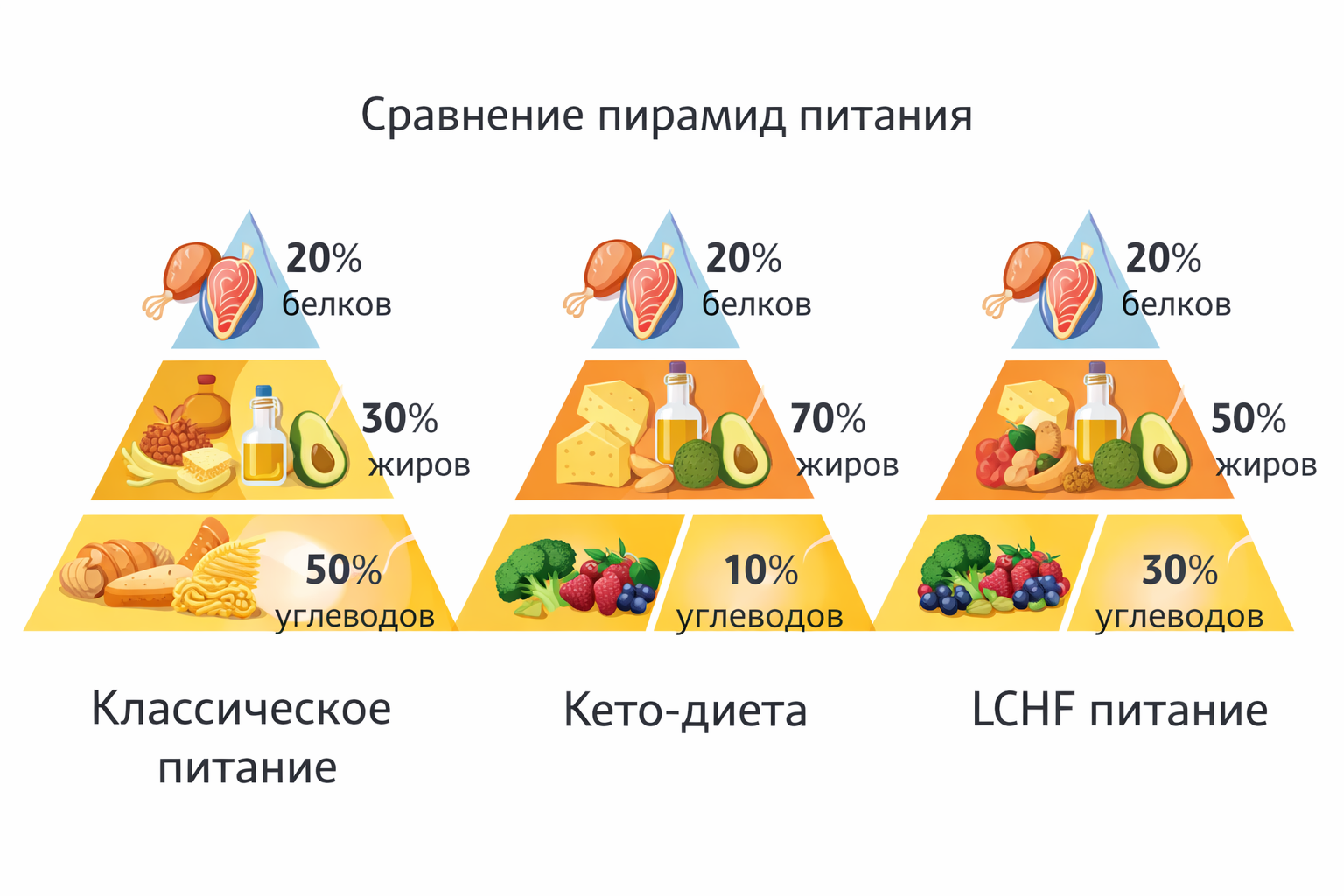
The classic food pyramid includes 20% protein, 30% fat, and 50% carbohydrates. With such a diet, the body extracts energy from carbohydrates, which can be simple or complex.
What is the difference between complex and simple carbohydrates:
What is the difference between complex and simple carbohydrates:
- Simple carbohydrates are simple sugars consisting of one or a pair of molecules that are quickly broken down, digested, and fully absorbed by the body. Simple carbohydrates provide a fast and sharp increase in blood sugar levels, a quick burst of energy, which, however, does not last long. The feeling of hunger quickly returns after snacking on simple carbohydrates, which often becomes a cause of overeating.
- Complex carbohydrates are polysaccharides, chains of several molecules that take longer to break down, more evenly over time, and do not cause a sharp increase in blood sugar levels. After consuming them, the body has enough energy for a longer period. That's why complex carbohydrates are called not only "simple" but also "slow."
The classic food pyramid includes 20% protein, 30% fat, and 50% carbohydrates. With such a diet, the body extracts energy from carbohydrates, which can be simple or complex.
What is the difference between complex and simple carbohydrates:
What is the difference between complex and simple carbohydrates:
- Simple carbohydrates are simple sugars consisting of one or a pair of molecules that are quickly broken down, digested, and fully absorbed by the body. Simple carbohydrates provide a fast and sharp increase in blood sugar levels, a quick burst of energy, which, however, does not last long. The feeling of hunger quickly returns after snacking on simple carbohydrates, which often becomes a cause of overeating.
- Complex carbohydrates are polysaccharides, chains of several molecules that take longer to break down, more evenly over time, and do not cause a sharp increase in blood sugar levels. After consuming them, the body has enough energy for a longer period. That's why complex carbohydrates are called not only "simple" but also "slow."
List of foods with simple and complex carbohydrates
The most dangerous and insidious of carbohydrates are simple carbohydrates. Why simple carbohydrates are harmful in large quantities: they cause a sharp spike in sugar and put a strain on the pancreas, which regulates blood glucose levels by releasing the hormone insulin into the blood.
Simple carbohydrates include:
Simple carbohydrates include:
- sucrose;
- glucose;
- fructose;
- ribose, deoxyribose;
- galactose;
- lactose;
- maltose.
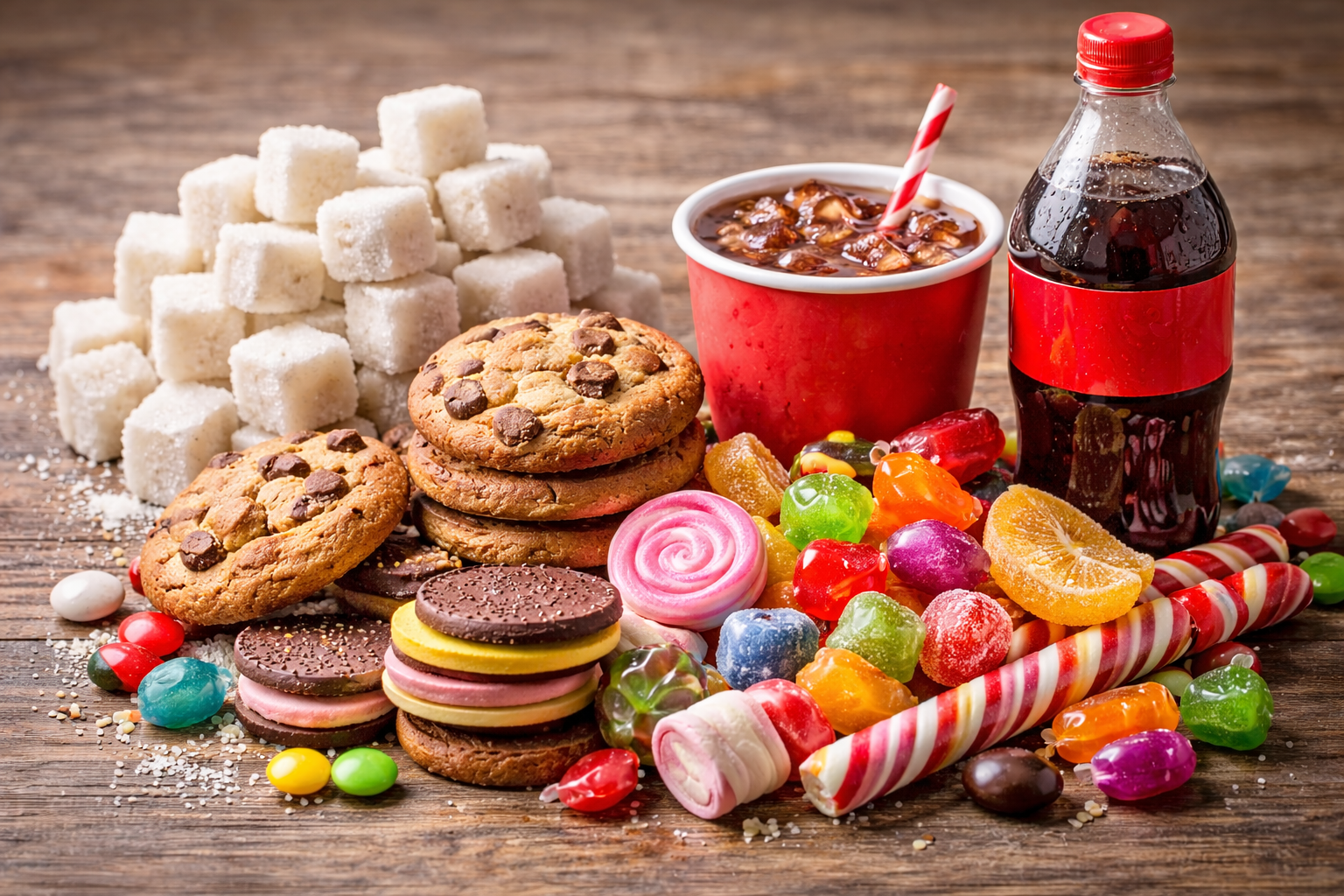
"Fast" or simple carbohydrates are found in these products:
Complex carbohydrates are divided into digestible (glycogen, starch) and non-digestible (fiber).
Complex carbohydrates include:
What are the benefits of complex, "slow" carbohydrates: they don't trigger glucose spikes and don't overload your pancreas. Complex carbohydrates also include fiber, which helps you maintain a healthy gut microbiome.
- pastries;
- sugar, honey, syrups;
- sodas, drinks with high sugar content;
- sweets, confectionery, ice cream;
- chips, fried dough products;
- white flour, white polished rice;
- they are found in large quantities in industrially processed foods.
Complex carbohydrates are divided into digestible (glycogen, starch) and non-digestible (fiber).
Complex carbohydrates include:
- fiber;
- starch;
- chitosan;
- dextrin;
- glycogen.
What are the benefits of complex, "slow" carbohydrates: they don't trigger glucose spikes and don't overload your pancreas. Complex carbohydrates also include fiber, which helps you maintain a healthy gut microbiome.
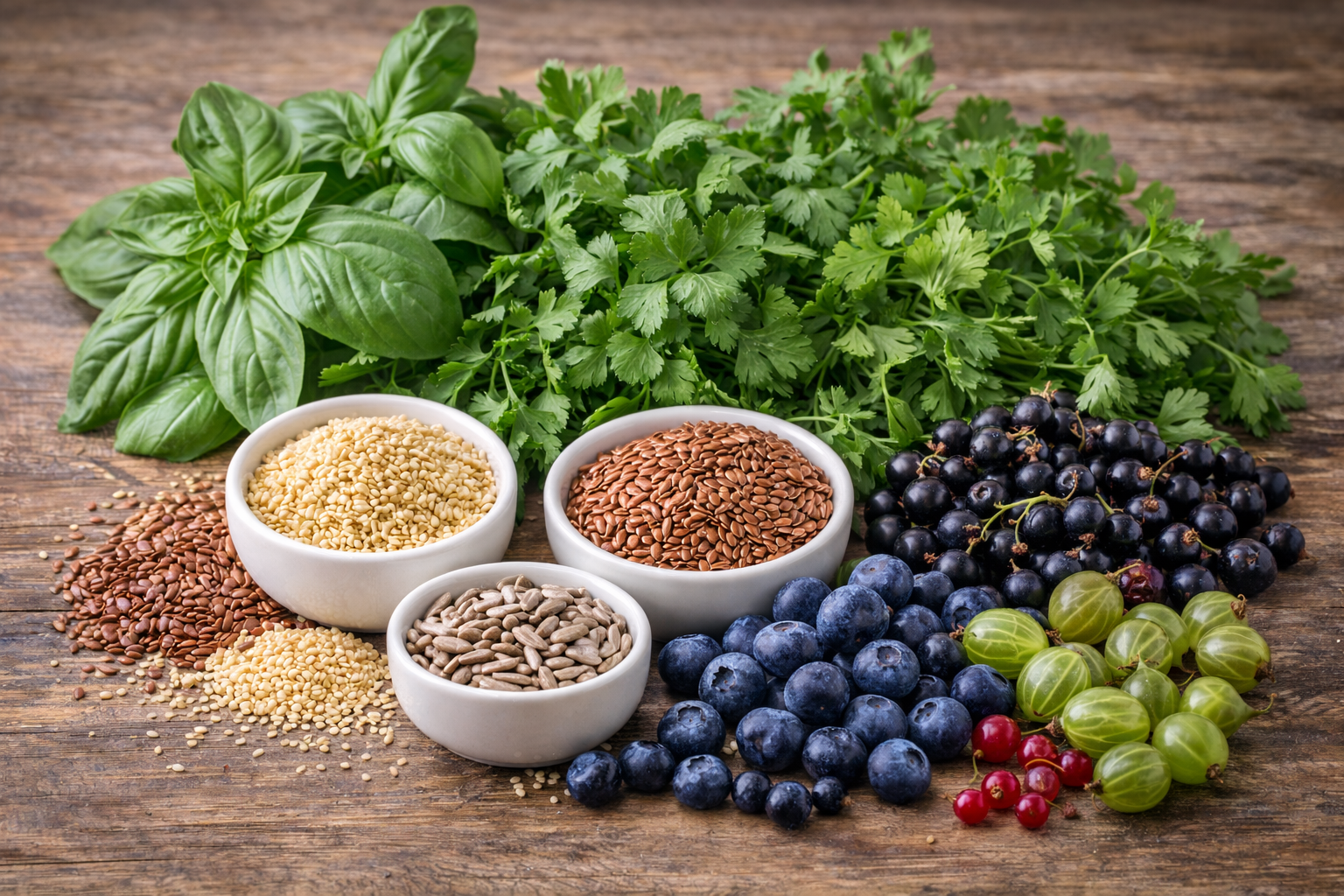
Which foods contain complex carbohydrates:
- bran, fiber;
- rye flour;
- vegetables, grains: wild rice, brown rice, pearl barley, millet;
- seeds, legumes (except soy);
- sour berries, fruits.
The most dangerous and insidious of carbohydrates are simple carbohydrates. Why simple carbohydrates are harmful in large quantities: they cause a sharp spike in sugar and put a strain on the pancreas, which regulates blood glucose levels by releasing the hormone insulin into the blood.
Simple carbohydrates include:
Simple carbohydrates include:
- sucrose;
- glucose;
- fructose;
- ribose, deoxyribose;
- galactose;
- lactose;
- maltose.
"Fast" or simple carbohydrates are found in these products:
Complex carbohydrates are divided into digestible (glycogen, starch) and non-digestible (fiber).
Complex carbohydrates include:
What are the benefits of complex, "slow" carbohydrates: they don't trigger glucose spikes and don't overload your pancreas. Complex carbohydrates also include fiber, which helps you maintain a healthy gut microbiome.
- pastries;
- sugar, honey, syrups;
- sodas, drinks with high sugar content;
- sweets, confectionery, ice cream;
- chips, fried dough products;
- white flour, white polished rice;
- they are found in large quantities in industrially processed foods.
Complex carbohydrates are divided into digestible (glycogen, starch) and non-digestible (fiber).
Complex carbohydrates include:
- fiber;
- starch;
- chitosan;
- dextrin;
- glycogen.
What are the benefits of complex, "slow" carbohydrates: they don't trigger glucose spikes and don't overload your pancreas. Complex carbohydrates also include fiber, which helps you maintain a healthy gut microbiome.
Which foods contain complex carbohydrates:
- bran, fiber;
- rye flour;
- vegetables, grains: wild rice, brown rice, pearl barley, millet;
- seeds, legumes (except soy);
- sour berries, fruits.
How the LCHF low-carb diet works for weight loss
It's hard for people today to keep track of exactly how many simple carbs are in their diet: most often, it's attractive, sweet, high-calorie food or desserts packed with flavor additives. But when you consume too many simple carbohydrates, your blood glucose levels rise, and your body starts producing more insulin than it needs. This helps convert the incoming glucose into triglycerides (fats), which get stored in the liver, around internal organs, and in fatty tissue. Gradually, overeating and an excess of high-carb food lead to obesity. A way out of this situation can be switching from a standard, high-carb diet to a low-carb, LCHF-style diet.
Here is the principle behind how the LCHF low-carb diet works: you reduce the amount of carbohydrates—the main suppliers of glucose—in your menu. Under these conditions, your body starts "picking up" the missing energy from fats. At first, it "burns" its own fat stores, and later, it starts breaking down the fats coming in from food. That's why, on an LCHF-style diet, you lose weight at first, and once your weight normalizes, fats from food remain your main source of energy.
Fats are an efficient and long-lasting source of energy for your body. Getting energy from fats has a special advantage: when a fat molecule is broken down, it produces about 3 to 3.5 times more energy than when a glucose (carbohydrate) molecule is broken down. That's why those losing weight on LCHF can feel more alert and energetic compared to those following a classic diet plan.
Here is the principle behind how the LCHF low-carb diet works: you reduce the amount of carbohydrates—the main suppliers of glucose—in your menu. Under these conditions, your body starts "picking up" the missing energy from fats. At first, it "burns" its own fat stores, and later, it starts breaking down the fats coming in from food. That's why, on an LCHF-style diet, you lose weight at first, and once your weight normalizes, fats from food remain your main source of energy.
Fats are an efficient and long-lasting source of energy for your body. Getting energy from fats has a special advantage: when a fat molecule is broken down, it produces about 3 to 3.5 times more energy than when a glucose (carbohydrate) molecule is broken down. That's why those losing weight on LCHF can feel more alert and energetic compared to those following a classic diet plan.
It's hard for people today to keep track of the simple carbs in their diet: most often, it's attractive, sweet, high-calorie food or desserts packed with flavor additives. But when you consume too many simple carbs, your blood glucose levels rise, and your body starts producing more insulin than it needs. Excess insulin promotes energy storage in the form of fat reserves in the liver, around organs, and in fatty tissue, which over time can lead to increased body weight and obesity.
A way out of this situation can be switching from a standard, high-carb diet to an LCHF-style low-carb diet.
Here is the principle behind how the LCHF low-carb diet works: you reduce the amount of carbohydrates—the main suppliers of glucose—in your menu. Under these conditions, your body starts "picking up" the missing energy from fats. At first, it "burns" its own fat stores, and later, it starts breaking down the fats coming in from food. That's why, on an LCHF-style diet, you lose weight at first, and once your weight normalizes, fats from food remain your main source of energy.
Fats are an efficient and long-lasting source of energy for your body. Getting energy from fats has a special advantage: when a fat molecule is broken down, it produces about 3 to 3.5 times more energy than when a glucose (carbohydrate) molecule is broken down. That's why those losing weight on LCHF can feel more alert and energetic compared to those following a classic diet plan.
A way out of this situation can be switching from a standard, high-carb diet to an LCHF-style low-carb diet.
Here is the principle behind how the LCHF low-carb diet works: you reduce the amount of carbohydrates—the main suppliers of glucose—in your menu. Under these conditions, your body starts "picking up" the missing energy from fats. At first, it "burns" its own fat stores, and later, it starts breaking down the fats coming in from food. That's why, on an LCHF-style diet, you lose weight at first, and once your weight normalizes, fats from food remain your main source of energy.
Fats are an efficient and long-lasting source of energy for your body. Getting energy from fats has a special advantage: when a fat molecule is broken down, it produces about 3 to 3.5 times more energy than when a glucose (carbohydrate) molecule is broken down. That's why those losing weight on LCHF can feel more alert and energetic compared to those following a classic diet plan.
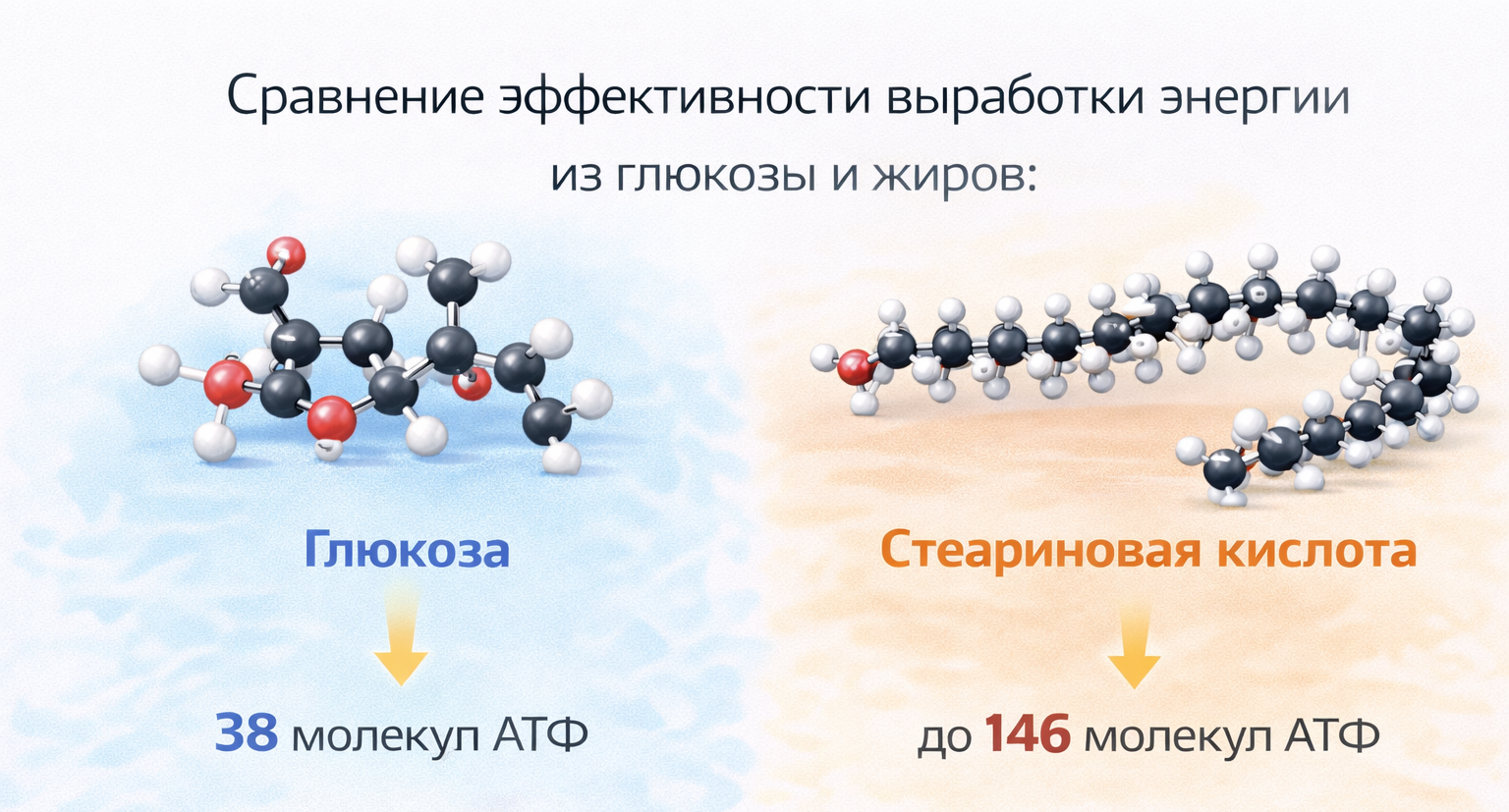
Comparison of energy production efficiency from glucose and fats:
One molecule of glucose yields 38 molecules of ATP.
One molecule of saturated fatty stearic acid yields up to 146 molecules of ATP.
One molecule of saturated fatty stearic acid yields up to 146 molecules of ATP.
What the basic principles of LCHF nutrition include:
- simple carbohydrates are reduced to a minimum or completely excluded from the diet, and fast food is avoided;
- a small amount of allowed carbohydrates is included in the diet — they are necessary for normal digestion;
- on average, between 50 and 100 g of carbohydrates are consumed per day on LCHF.
- increase the amount of healthy fats in the menu — they should become your main source of energy;
- LCHF nutrition includes a steady intake of protein — it's the building material that should always be present in your menu;
- on LCHF, it's important to stay active and find regular physical activities that are right for your body;
- for a faster and more comfortable transition from carbohydrate to fat-based nutrition, it's important to monitor the quality and quantity of your sleep. It should be sufficient and restful.
How many carbohydrates can you consume on LCHF?
"Liberal" LCHF allows for 100g of carbohydrates per day.
"Standard" LCHF allows for 75g of carbohydrates per day across all foods.
"Strict" LCHF allows for 50g of carbohydrates per day. Below 50g of carbohydrates per day is already a keto protocol.
"Standard" LCHF allows for 75g of carbohydrates per day across all foods.
"Strict" LCHF allows for 50g of carbohydrates per day. Below 50g of carbohydrates per day is already a keto protocol.
What you can eat on LCHF: which foods are high in fat and low in carbs
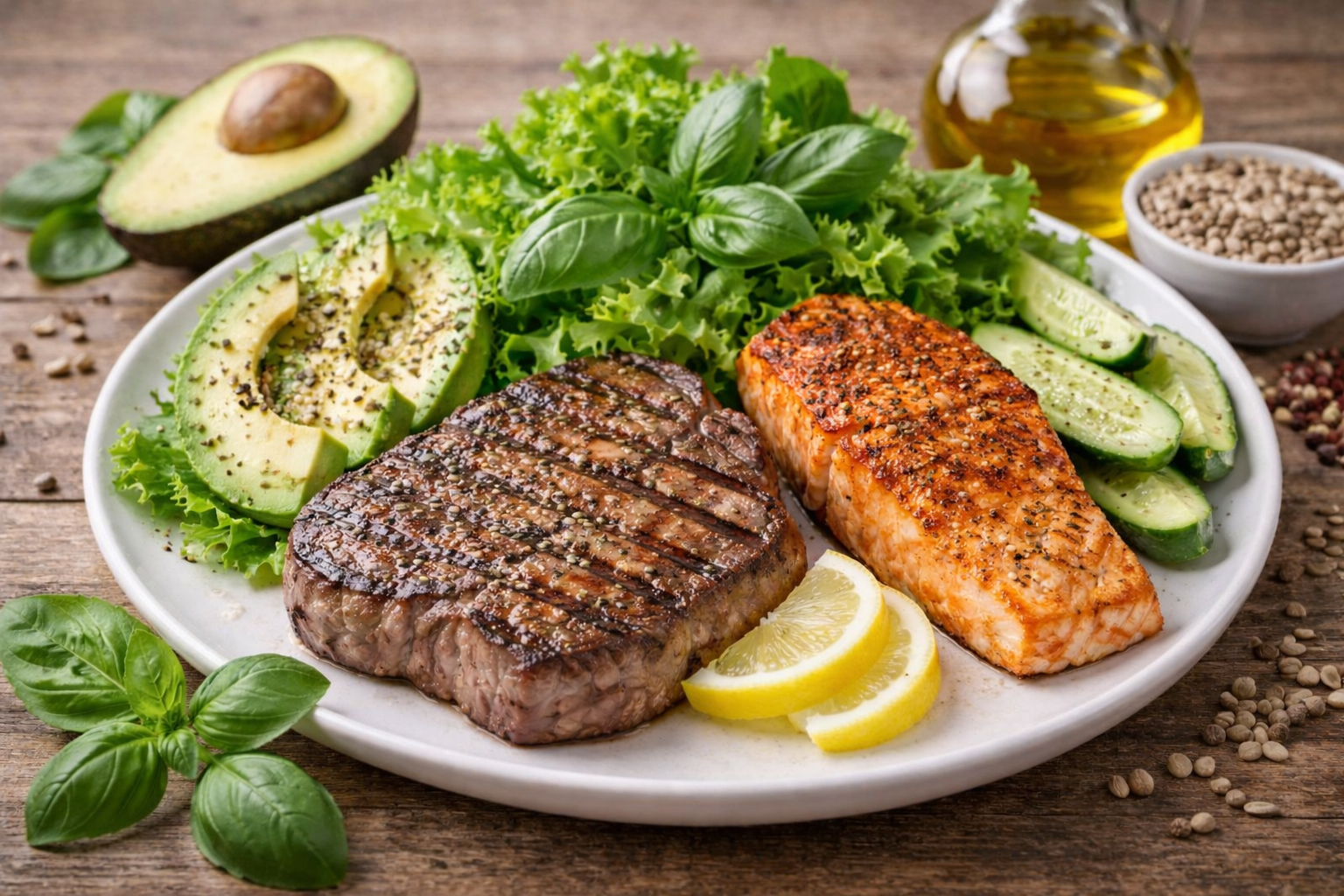
Basic LCHF Nutrition Rules
Most of your diet on LCHF low-carb nutrition should consist of meat, fish, eggs, non-root vegetables, and natural fats. You should avoid starchy foods and sugar.
List of foods you can eat on LCHF:
List of foods that can be included in the LCHF low-carb diet menu in limited quantities:
List of foods to avoid on the LCHF diet (highest carb foods):
- fatty meat, poultry;
- butter, ghee, vegetable oils (especially coconut oil);
- olives;
- full-fat dairy and fermented dairy products;
- fatty cheeses;
- fatty nuts with low carbs: macadamia, pecan, Brazil nut;
- lard, boiled pork, bacon, balyk;
- rich broths;
- eggs;
- fish and seafood;
- avocados, nuts, nut butters;
- mushrooms;
- greens, leafy salads;
- fiber, bran, psyllium (plantain fiber),
- sour berries.
List of foods that can be included in the LCHF low-carb diet menu in limited quantities:
- pickles, marinades;
- dark chocolate (cocoa content at least 70%);
- pumpkin;
- tea, coffee;
- pastries made from carb-free almond or coconut flour.
List of foods to avoid on the LCHF diet (highest carb foods):
- sugar, sugary sodas, syrups, sweet juices;
- canned goods;
- yeast bread, bakery products, confectionery;
- low-fat dairy and fermented milk products;
- margarine, products with trans fats;
- fried pastries, chips, crackers;
- sweet curds, glazed curd bars;
- breakfast cereals, grains, flakes, porridges (especially from polished grains or thin flakes).
- beer;
- porridges, with the exception of (barley, millet, and brown or wild rice).
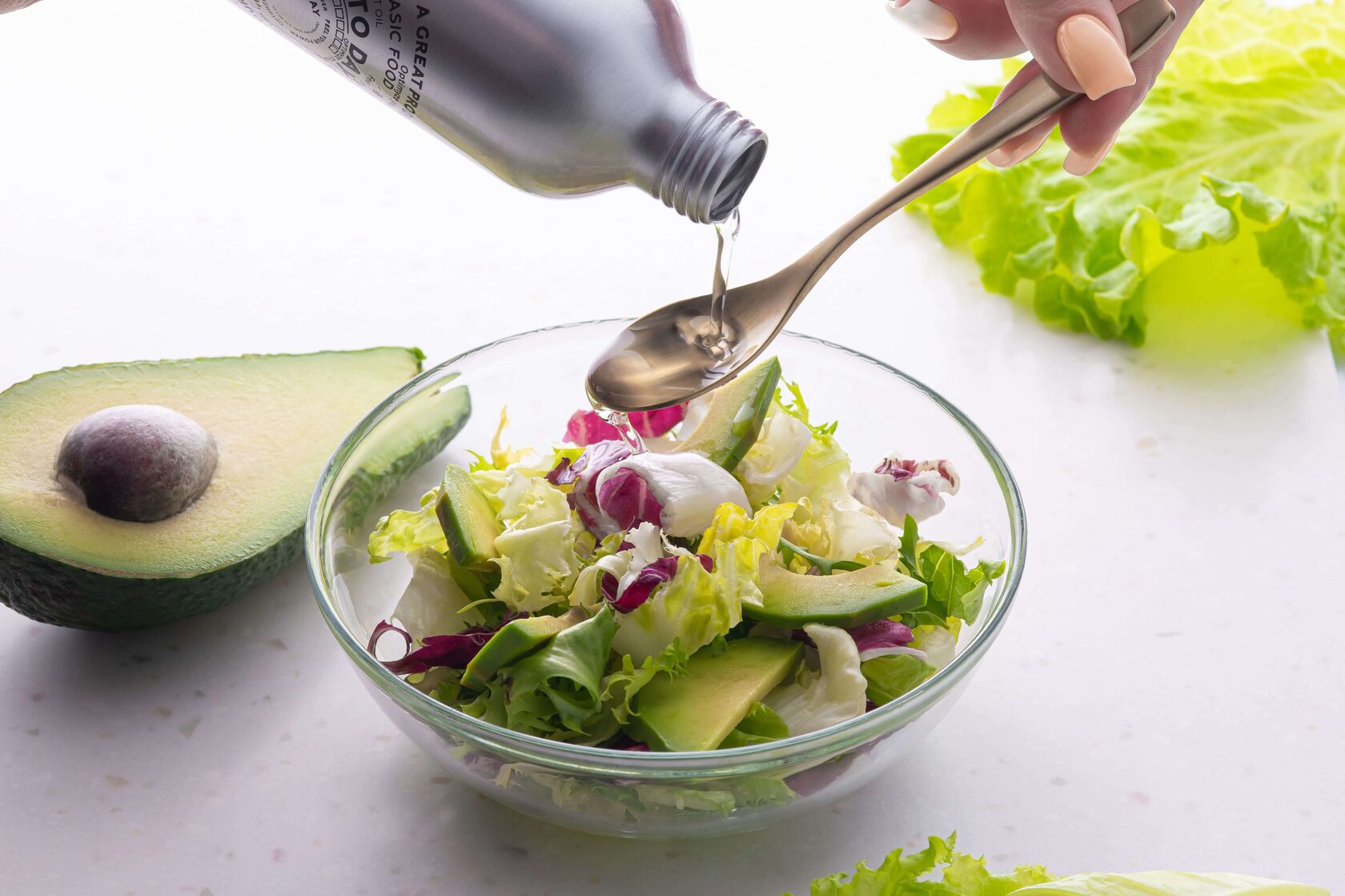
A great help when transitioning to and maintaining the LCHF lifestyle can be products specifically developed for these purposes. For example, VILAVI produces a line of products whose composition is selected with LCHF principles in mind:
- A complex of valuable matrix extracts will help you gently transition to the LCHF lifestyle ERA Mitomatrix LCHF. The avocado, nut, seed, and wheat germ extracts, along with quercetin and lycopene included in the product, promote effective fat burning, appetite control, and help reduce hunger, which simplifies the transition and maintenance of the LCHF lifestyle.
- For a quick and safe snack during the first two weeks of transitioning to LCHF, don't use bars with hidden sugar. Try satisfying your hunger with plant-based protein from the series T8 ERA TO GO in various flavors. For people with lactose intolerance, there is a special lactose-free pea-rice protein T8 ERA TO GO Biscuit.
- MCT oil, made from a blend of medium-chain triglycerides that are quickly and efficiently absorbed, perfectly complements an LCHF-style diet. MCT oil T8 ERA BRAIN OIL contains valuable capric and caprylic fatty acids and is also enriched with polyprenols. This composition helps supplement your diet with healthy fats, strengthens antioxidant protection, and has a beneficial effect on the functioning of the liver, kidneys, and heart.
- You can supplement your diet with a source of soluble and insoluble fiber TEO GREEN*; this product helps maintain the health of your microbiota.
- When switching to LCHF, it is extremely important to maintain water-salt balance, drink enough fluids, and monitor lymphatic drainage. For these purposes, the supplement T8 Flow* is ideal — it was developed to normalize fluid metabolism, improve microcirculation, and lymphatic drainage, which is vital for the body.
- You won't have to feel deprived or give up your favorite drinks: try the LCHF-adapted T8 ERA BRAIN COFFEE made from delicately roasted Arabica beans.
- Cocoa with coconut milk T8 ERA LCHF-COCOA helps saturate the body with healthy fats thanks to MCT oil and fits perfectly into an LCHF diet.
- Hot chocolate T8 ERA LCHF-CHOCO can be enjoyed without worrying about your figure; it's low-calorie, and its sweetness comes from a sweetener. In addition to cocoa, this hot chocolate contains guarana and MCT oil. This product can be used as an alternative to coffee or energy drinks.
List of foods you can eat on LCHF:
List of foods that can be included in the LCHF low-carb diet menu in limited quantities:
List of foods to avoid on the LCHF diet (highest carb foods):
- fatty meat, poultry;
- butter, ghee, vegetable oils (especially coconut oil);
- olives;
- full-fat dairy and fermented dairy products;
- fatty cheeses;
- fatty nuts with low carbs: macadamia, pecan, Brazil nut;
- lard, boiled pork, bacon, balyk;
- rich broths;
- eggs;
- fish and seafood;
- avocados, nuts, nut butters;
- mushrooms;
- greens, leafy salads;
- fiber, bran, psyllium (plantain fiber),
- sour berries.
List of foods that can be included in the LCHF low-carb diet menu in limited quantities:
- pickles, marinades;
- dark chocolate (cocoa content at least 70%);
- pumpkin;
- tea, coffee;
- pastries made from carb-free almond or coconut flour.
List of foods to avoid on the LCHF diet (highest carb foods):
- sugar, sugary sodas, syrups, sweet juices;
- canned goods;
- yeast bread, bakery products, confectionery;
- low-fat dairy and fermented milk products;
- margarine, products with trans fats;
- fried pastries, chips, crackers;
- sweet curds, glazed curd bars;
- breakfast cereals, grains, flakes, porridges (especially from polished grains or thin flakes).
- beer;
- porridges, with the exception of (barley, millet, and brown or wild rice).
A great help when transitioning to and maintaining the LCHF lifestyle can be products specifically developed for these purposes. For example, VILAVI produces a line of products whose composition is selected with LCHF principles in mind:
- A complex of valuable matrix extracts will help you gently transition to the LCHF lifestyle ERA Mitomatrix LCHF. The avocado, nut, seed, and wheat germ extracts, along with quercetin and lycopene included in the product, promote effective fat burning, appetite control, and help reduce hunger, which simplifies the transition and maintenance of the LCHF lifestyle.
- For a quick and safe snack during the first two weeks of transitioning to LCHF, don't use bars with hidden sugar. Try satisfying your hunger with plant-based protein from the series T8 ERA TO GO in various flavors. For people with lactose intolerance, there is a special lactose-free pea-rice protein T8 ERA TO GO Biscuit.
- MCT oil, made from a blend of medium-chain triglycerides that are quickly and efficiently absorbed, perfectly complements an LCHF-style diet. MCT oil T8 ERA BRAIN OIL contains valuable capric and caprylic fatty acids and is also enriched with polyprenols. This composition helps supplement your diet with healthy fats, strengthens antioxidant protection, and has a beneficial effect on the functioning of the liver, kidneys, and heart.
- You can supplement your diet with a source of soluble and insoluble fiber TEO GREEN*; this product helps maintain the health of your microbiota.
- When switching to LCHF, it is extremely important to maintain water-salt balance, drink enough fluids, and monitor lymphatic drainage. For these purposes, the supplement T8 Flow* is ideal — it was developed to normalize fluid metabolism, improve microcirculation, and lymphatic drainage, which is vital for the body.
- You won't have to feel deprived or give up your favorite drinks: try the LCHF-adapted T8 ERA BRAIN COFFEE made from delicately roasted Arabica beans.
- Cocoa with coconut milk T8 ERA LCHF-COCOA helps saturate the body with healthy fats thanks to MCT oil and fits perfectly into an LCHF diet.
- Hot chocolate T8 ERA LCHF-CHOCO can be enjoyed without worrying about your figure; it's low-calorie, and its sweetness comes from a sweetener. In addition to cocoa, this hot chocolate contains guarana and MCT oil. This product can be used as an alternative to coffee or energy drinks.
*Dietary supplement, not a medicinal product.
LCHF diet: contraindications and restrictions
Before switching to low-carb LCHF nutrition, you should consult with a doctor. If necessary, undergo examinations and get tests done. If your goal is a healthy, lean body, high energy, and improved appearance and well-being, get ready for the long haul. Your goals are worth putting in maximum effort, and to achieve results, it's important to consider all the unique features of your body.
What are the contraindications for the LCHF diet:
What are the contraindications for the LCHF diet:
- insulin-dependent type 1 diabetes mellitus. This disease requires maintaining a constant level of insulin in the blood and its adjustment. With type 1 diabetes, reducing carbohydrate intake and the subsequent drop in glucose levels can be dangerous.
- Gastric ulcer, duodenal ulcer, and other gastrointestinal disorders.
- Acute mental disorders.
- Endocrine system disorders.
- Adolescence, pregnancy, and lactation.
Is it possible to eat in the LCHF format permanently
Before switching to low-carb LCHF nutrition, you should consult with a doctor. If necessary, undergo examinations and get tests done. If your goal is a healthy, lean body, high energy, and improved appearance and well-being, get ready for the long haul. Your goals are worth putting in maximum effort, and to achieve results, it's important to consider all the unique features of your body.
What are the contraindications for the LCHF diet:
What are the contraindications for the LCHF diet:
- insulin-dependent type 1 diabetes mellitus. This disease requires maintaining a constant level of insulin in the blood and its adjustment. With type 1 diabetes, reducing carbohydrate intake and the subsequent drop in glucose levels can be dangerous.
- Gastric ulcer, duodenal ulcer, and other gastrointestinal disorders.
- Acute mental disorders.
- Endocrine system disorders.
- Adolescence, pregnancy, and lactation.
Is it possible to eat in the LCHF format permanently
Carbohydrates in their current unlimited quantities only appeared on people's tables in the second half of the 20th century. In our country, this was the period after World War II: before that, carbohydrates, especially refined ones, were simply absent in Russia. Yes, there was bread and there were porridges. But the bread was proper: made with live sourdough, and it took more than a day to prepare. This means it had a low glycemic index and didn't cause a sharp spike in blood glucose levels. The amount of carbohydrates in such bread was 2-3 times less than in modern bread. Of course, people's diets back then included a lot of porridge, but there was also a huge amount of physical activity for both men and women. This means that all the carbohydrates coming from food were converted into muscle energy during a long workday, which in most cases was filled with a vast amount of physical effort. Today, physical activity for everyone is minimized. We sit at work, we sit on the way to and from work, and we sit at home. Therefore, in modern conditions, LCHF is exactly the eating style that removes excess carbohydrates from the diet and returns a person to a physiological and healthier state.
A.F. Tarasevich
Will the brain "starve" on LCHF?
One of the common misconceptions is that on a low-carb diet, the brain won't have enough glucose to function properly and effectively.
Andrey Fedorovich Tarasevich debunked this myth:
Andrey Fedorovich Tarasevich debunked this myth:
Neurons always feed on glucose as long as it enters the body. If a person is not fasting or in ketosis, their neurons always get energy from glucose. And here's the most amazing part: neurons only need a maximum of 5-10% of 100g of incoming glucose — that's plenty for them. Therefore, worrying that your brain will lack glucose nutrition on LCHF and its efficiency will decrease is incorrect. On the contrary, after switching to the LCHF low-carb lifestyle, you'll feel that not only your body, but your brain as well, feels better and works more productively.
A.F. Tarasevich
References:
- Maksimova Elena Vladimirovna, Klyaritskaya Irina Lvovna, Grigorenko Elena Ivanovna, Moshko Yuri Alexandrovich, Stilidi Elena Igorevna. Influence of the LCHF nutrition protocol on the course of MAFLD // Crimean Therapeutic Journal. 2023. No. 3.
- S. N. Yarina. THE ROLE OF DIET IN THE CORRECTION OF INSULIN RESISTANCE: CORRECTION METHODS // International Journal of Humanities and Natural Sciences. 2024. No. 7-2 (94).
- Feinman RD, Pogozelski WK, Astrup A, Bernstein RK, Fine EJ, Westman EC, et al. Dietary carbohydrate restriction as the first approach in diabetes management: critical review and evidence base. Nutrition 2015; 31:1- 13.
- Volek JS, Phinney SD, Forsythe CE, Quann EE, Wood RJ, Puglisi MJ, et al. Carbohydrate restriction has a more favorable impact on the metabolic syndrome than a low fat diet. Lipids 2009; 44: 297-309
- Vilar-Gomez E, Martinez-Perez Y, Calzadilla-Bertot L, Torres-Gonza- lez A Gra-Oramas B, Gonzalez-Fabian L, et al. Weight loss through lifestyle modification significantly reduces features of nonalcoholic steatohepatitis. Gastroenterology 2015; 149:367-378. e5; quiz e14-5.
- Magnus Holmer, Catarina Lindqvist, Sven Petersso et al. Treatment of NAFLD with intermittent calorie restriction or lowcarb high-fat diet – a randomised controlled trial. JHEP Reports 2021 vol. 3 j 10025